Director of Quality-Cleveland Medical Center
Position #: 26000ALY
Shift: Days
Status: Full-time
Work Days of the Week: M-F
UH Facility: University Hospitals
Location: Cleveland, OH
Remote Work: Hybrid
Salary: $125,840 – $196,768 /year




Job Description & Qualifications
A Brief Overview
The Director of Quality provides strategic and operational leadership for clinical quality, patient safety, regulatory readiness, accreditation compliance, and organizational policy management across a large, complex medical center. The Director establishes priorities, ensures alignment across clinical and operational functions, and partners with physician, nursing, operational, and administrative executives to advance high reliability, continuous improvement, regulatory excellence, and patient-centered care. This position has accountability for the design, execution, and sustained performance of quality improvement, patient safety, accreditation, policy governance, performance measurement, and regulatory compliance programs. The Director translates organizational strategy into medical center-wide priorities, evaluates performance and risk, directs corrective action, and provides executive leaders with recommendations needed to achieve organizational goals and external standards.
What You Will Do
- Quality and Performance Improvement
- Establish and lead the organization’s quality, safety, accreditation, and policy strategy in alignment with organizational strategy and medical center priorities.
- Set the performance improvement agenda and direct organization-wide and departmental initiatives, including prioritization, resource allocation, accountability, and sustainability of results.
- Establish performance expectations and governance for key quality indicators, publicly reported measures, regulatory metrics, and improvement commitments; intervene when performance or compliance is at risk.
- Facilitate data-driven improvement efforts using Lean, Six Sigma, PDSA, and other improvement methodologies.
- Own the integrity, interpretation, and executive communication of quality dashboards, scorecards, and performance reporting, including recommendations for action and escalation.
- Partner with physician and nursing leaders to improve clinical outcomes, reliability, equity, and patient experience.
- Exercise decision-making authority within the assigned portfolio and escalate material quality, safety, regulatory, or accreditation risks to executive leadership and appropriate governance bodies.
-
Define accountability structures for leaders responsible for performance improvement plans and verify that corrective actions produce sustained results.
- Patient Safety
- Provide leadership for the patient safety program and establish expectations for a culture of safety, high reliability, transparency, learning, and accountability
- In partnership with Risk and clinical loss control, monitor serious safety events, near misses, and highreliability metrics. Collaborate with risk management, infection prevention, and operational leaders on safety priorities.
- Integrate patient safety, infection prevention, clinical risk, quality improvement, and regulatory priorities to reduce duplication, close gaps, and promote consistent practices across care settings.
-
Support implementation of evidence-based practices to reduce preventable harm.
- Accreditation and Regulatory Compliance
- Provide oversight of Joint Commission, DNV, CMS, state, and specialty accreditation readiness, partnering with the designated accreditation leader who directs day-to-day readiness activities to include establishing priorities, assigning corrective actions, and escalating unresolved compliance risks.
-
Oversee organizational responses to survey findings and regulatory deficiencies, including corrective action governance, evidence submission, validation of sustained compliance, and executive escalation; monitor regulatory changes and communicate implications to leadership; and partner with operational leaders to address gaps and sustain compliance.
- Policy Management and Governance
- Ensure policies remain current, evidence-based, and aligned with regulatory requirements.
- Coordinate policy review cycles and approvals with clinical, operational, legal, compliance, and executive stakeholders.
- Evaluate policy compliance trends and identify improvement opportunities.
- Resolve or escalate cross-functional policy conflicts and ensure accountable leaders address material gaps in policy implementation or adherence.
-
Maintain oversight of organizational policy standards and publication processes. Consistent with UH policy governance structures, accreditation, compliance, legal, quality, and operational leaders collaborate to ensure policy adherence and regulatory alignment.
- Academic Mission Support
- Collaborate with medical school leadership, residency and fellowship programs, and research leadership to integrate quality, safety, and regulatory expectations into organizational programs.
-
Support quality and safety education for medical students, residents, fellows, and faculty.
- Leadership and Operations
- Establish departmental goals, operating plans, budgets, staffing models, and resource priorities; monitor financial and operational performance and adjust plans as organizational needs change.
- Build leadership capability and succession plans for quality, safety, accreditation, regulatory, policy, and performance improvement professionals; hold direct reports accountable for measurable outcomes.
- Serve as the quality and safety advisor to executive, physician, nursing, and operational leadership, providing independent evaluation of performance, risk, regulatory exposure, and improvement priorities.
- Present quality, safety, accreditation, regulatory, and policy performance to governing boards, executive committees, and medical staff leadership; recommend decisions, investments, and corrective actions.
- Chair or lead multidisciplinary governance committees focused on quality, accreditation, safety, regulatory compliance, and policy, with authority to establish agendas, assign accountability, and escalate unresolved issues.
- Negotiate priorities and resource needs across competing operational demands while protecting regulatory compliance, patient safety, and organizational performance.
- Represent the medical center in organization-wide councils and, as assigned, with external regulators, accrediting organizations, professional associations, and community partners.
Additional Responsibilities
- Performs other duties as assigned.
- Complies with all policies and standards.
- For specific duties and responsibilities, refer to documentation provided by the department during orientation.
- Must abide by all requirements to safely and securely maintain Protected Health Information (PHI) for our patients. Annual training, the UH Code of Conduct and UH policies and procedures are in place to address appropriate use of PHI in the workplace.
Education Qualifications
- Bachelor’s Degree in Healthcare Administration, Nursing, Public Health, Business Administration, or related field (Required)
- Master’s Degree in Healthcare Administration, Nursing, Public Health, Business Administration, or related field Preferred (Preferred)
Experience Qualifications
- 8+ years of experience in healthcare quality, patient safety, accreditation, regulatory, and clinical leadership experience with several years in people management capacity[ (Required)
- Experience within an academic medical center, integrated delivery system, or large healthcare organization. (Required)
Skills and Abilities
- Experience with Joint Commission/DNV survey leadership. (Preferred proficiency)
- Experience overseeing policy governance. (Preferred proficiency)
- Experience leading multidisciplinary teams, influencing senior and executive leaders, managing organizational change, and sustaining measurable results across complex operations. (Preferred proficiency)
- Experience presenting to governing boards, executive committees, medical staff leadership, or comparable senior governance groups. (Preferred proficiency)
- Experience managing budgets, staffing plans, and resource allocation for a complex function or department. (Preferred proficiency)
Licenses and Certifications
- Certified Professional in Healthcare Quality (CPHQ)
- Certified Professional in Patient Safety (CPPS)
- Lean Six Sigma Green Belt, Black Belt, or equivalent
- Healthcare accreditation or regulatory certification
Physical Demands
- Standing – Occasionally
- Walking – Occasionally
- Sitting – Constantly
- Lifting – Rarely (up to 20 lbs)
- Carrying – Rarely (up to 20 lbs)
- Pushing – Rarely (up to 20 lbs)
- Pulling – Rarely (up to 20 lbs)
- Climbing – Rarely (up to 20 lbs)
- Balancing – Rarely
- Stooping – Rarely
- Kneeling – Rarely
- Crouching – Rarely
- Crawling – Rarely
- Reaching – Rarely
- Handling – Occasionally
- Grasping – Occasionally
- Feeling – Rarely
- Talking – Constantly
- Hearing – Constantly
- Repetitive Motions – Frequently
- Eye/Hand/Foot Coordination – Frequently
Additional Salary Detail:
The salary range and/or hourly rate listed is a good faith determination of potential base compensation that may be offered to a successful applicant for this position at the time of posting of this job advertisement and may be modified in the future. When determining a team member’s base salary and/or rate, several factors may be considered as applicable (e.g., location, specialty, service line, years of relevant experience, education, credentials, union negotiated contracts, budget and internal equity). This figure does not include, unless otherwise stated incentive pay or shift differential pay or the value of University Hospitals’ comprehensive benefits package, which includes healthcare, dental, vision, retirement plan options, and additional offerings. Click here to view complete wellness and benefits details.
For over 150 years, University Hospitals has been dedicated to our mission To Heal. To Teach. To Discover. Starting as a small Cleveland hospital in 1866, UH has grown into 18 hospitals and 40 health centers, serving 1 million people annually.
UH delivers exceptional care, advances medical innovation, and trains future healthcare leaders. Now, you have the opportunity to add your talents to this legacy of care. At UH, you’ll join a collaborative team in an inspiring environment where your skills and ideas will be valued. Together, we can continue to shape the future of healthcare and deliver on the promise of our mission for generations to come.
Equal Opportunity Employer – Veterans and individuals with disabilities.
University Hospitals is a national leader in healthcare that takes pride in calling Northeast Ohio home. With more than 150 locations throughout Cleveland and the surrounding metropolitan areas, UH provides unique opportunities to deliver world-class care in the communities where our employees live, work, and play.
We want you to make a career with us and we are here to support you – both in and out of work. Our comprehensive benefits program offers choice and flexibility to meet you where you are in your life.
- Medical Plans
- Dental Plans
- Vision Plan
- Paid Short and Long Term Disability
- Life and Account Insurance
- Additional Voluntary Benefits
- Wellness Programs and Plans
- Financial Health Resources
- Career Development Resources
- And More!
*Benefits may vary based on FTE Status and Position Type.
View complete wellness and benefits details on our Why Choose Us page.


We want you to make a career with us and we are here to support you – both in and out of work. Our comprehensive benefits program offers choice and flexibility to meet you where you are in your life.
- Medical Plans
- Dental Plans
- Vision Plan
- Paid Short and Long Term Disability
- Life and Account Insurance
- Additional Voluntary Benefits
- Wellness Programs and Plans
- Financial Health Resources
- Career Development Resources
- And More!
*Benefits may vary based on FTE Status and Position Type.
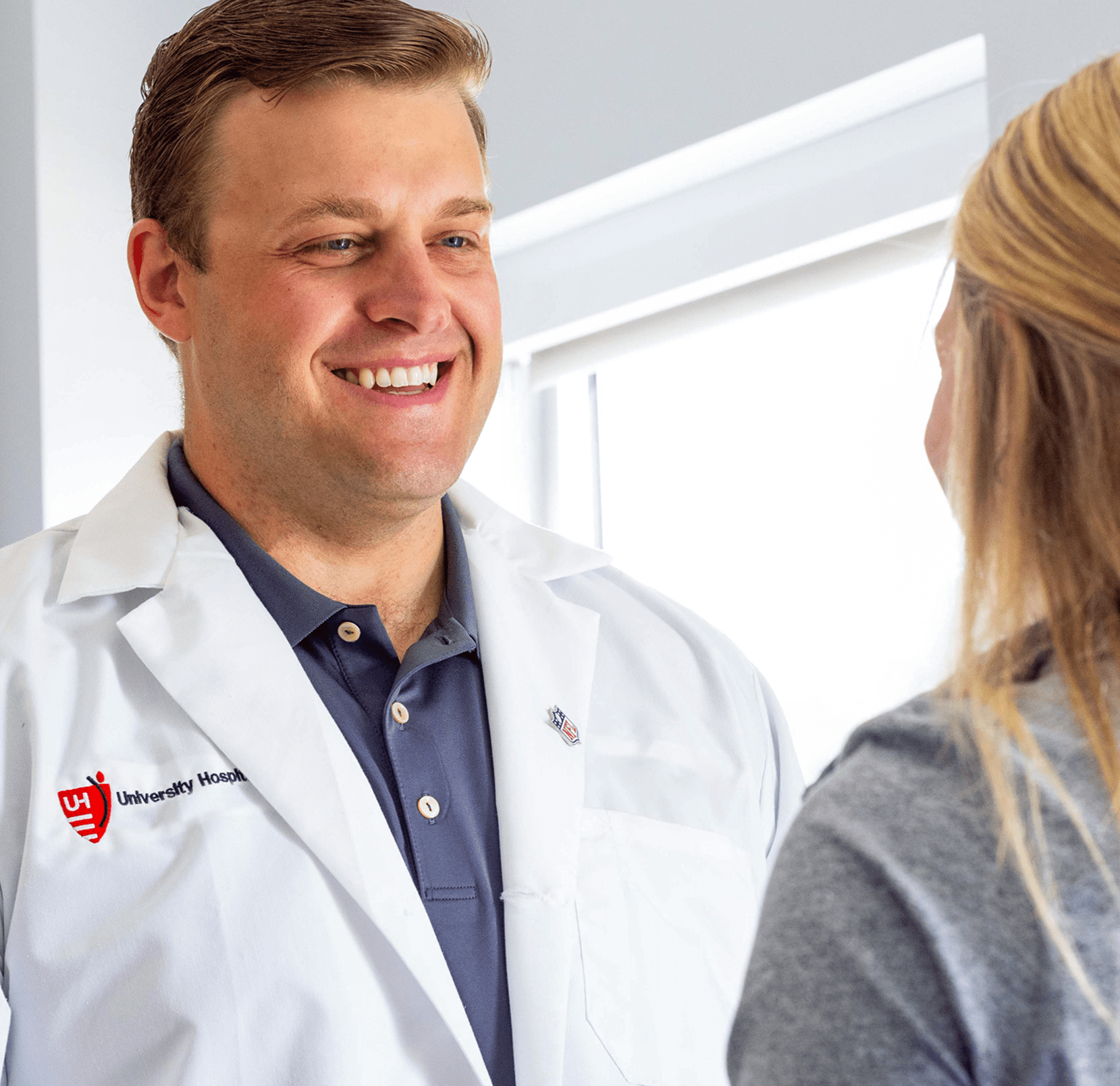
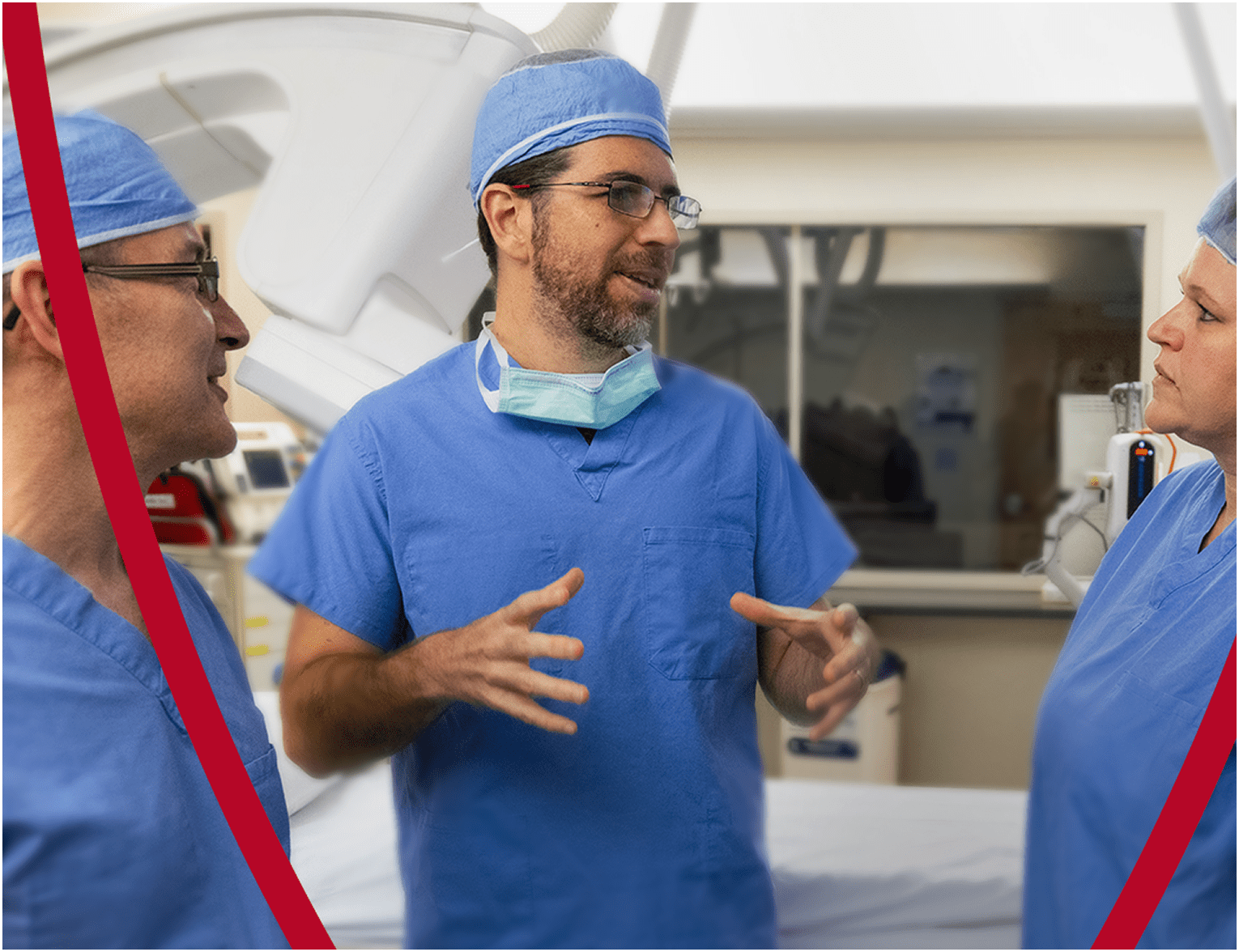
Working at University Hospitals
Careers at UH offers opportunities to provide care locally in the Cleveland area with the power to impact healthcare nationwide. As leaders in our industry, our staff share a commitment to be the difference in the lives of our patients and our communities from Northeast Ohio and beyond. Look at this video to discover how we’re building an organization for the future today.

Nightshift Module
Night shift provides a unique and rewarding opportunity for caregivers who thrive in a close-knit, supportive environment. With fewer distractions and a calmer atmosphere, you’ll have the chance to foster meaningful relationships with both colleagues and patients. The quieter pace allows for more in-depth patient connections, greater autonomy, and the opportunity to refine your skills. Whether it’s the flexibility to fit your lifestyle, the teamwork and problem-solving that come with a close-knit team, or the financial benefits of shift differential pay, night shift offers a space where you can grow both personally and professionally. If you excel in a late-night environment and appreciate the independence and collaboration it offers, our night shift team is the perfect fit for you!
Hear from our team about why they enjoy working the night shift and how it has shaped their careers.
Sara H.
Multi Modality
I like nightshift because the smaller staff helps me build connections and friendships with the staff around me. Helping us to better communicate without any issues, including doctors. I can work independently, keeping my thinking skills sharp. Even when it is quiet, it is never boring.