Patient Navigator, Breast Surgery – Main Campus
Position #: 260009PF
Shift: Days
Status: Full-time
Work Days of the Week: M-F
UH Facility: Medical Practices / Mgmt Services Org
Location: Cleveland, OH
Remote Work: Hybrid
Salary: $22.22 – $34.76 /hour


Job Description & Qualifications
This position is responsible for advanced care coordination to ensure patients receive timely care for both preventative screenings and identified diagnostic concerns. Acts as a liaison between patients, providers and navigating referral services. The Patient Navigator, Breast Surgery role serves as a dedicated patient support and care coordination resource for patients navigating the surgical breast health care journey. The Patient Navigator works closely with breast surgeons, advanced practice providers, nurses, schedulers, diagnostic imaging teams, pathology, oncology, primary care providers, and other members of the multidisciplinary breast care team to facilitate timely access to care and promote a seamless patient experience.The Patient Navigator serves as a consistent point of contact for patients from the initial surgical referral through consultation, diagnostic evaluation, surgical planning, procedure scheduling, and transition to appropriate postoperative or oncology services. The role focuses on removing non-clinical barriers to care, coordinating appointments and services, communicating logistical information, reinforcing provider-directed education, and helping patients understand and successfully navigate the health system.The Patient Navigator contributes to the overall performance of the Surgical Breast Health program by improving patient access, reducing delays between diagnosis and treatment, supporting care coordination, enhancing patient satisfaction, and identifying operational barriers and opportunities for improvement.
What You Will Do
- 1. Patient Navigation and Care CoordinationServe as a primary non-clinical point of contact for patients referred to Surgical Breast Health.Assist patients in navigating the healthcare system from referral through surgical consultation and subsequent treatment or follow-up.Coordinate and facilitate appointments across surgical breast health, diagnostic imaging, pathology, oncology, genetics, radiation oncology, plastic surgery, rehabilitation, and other appropriate services.Assist in coordinating multiple appointments to minimize unnecessary patient visits and reduce delays in care.Track patient progression through defined stages of the surgical breast health pathway.Identify missing appointments, referrals, records, authorizations, or other prerequisites that may delay care.Follow up with appropriate departments to resolve non-clinical barriers.Monitor patients who have not completed recommended scheduling or follow-up activities and provide appropriate outreach.Escalate clinical or urgent concerns to the designated RN, APP, physician, or other licensed clinical professional.
- 2. Referral and Access ManagementReceive and review referrals for completeness from an administrative/navigation perspective.Assist with obtaining outside medical records, imaging, pathology reports, operative reports, and other documentation needed for the patient’s surgical consultation.Coordinate transfer or receipt of outside breast imaging and pathology materials in accordance with established workflows.Communicate with referring providers’ offices regarding scheduling requirements and outstanding information.Assist with prioritizing referrals according to established program protocols; clinical prioritization remains the responsibility of the licensed clinical team.Identify barriers that may prevent patients from obtaining timely appointments and communicate those barriers to appropriate leadership or clinical personnel.Assist in maintaining referral work queues and ensuring referrals progress through the appropriate workflow.
- 3. Patient Communication and EducationProvide patients with clear, compassionate, and timely non-clinical information regarding appointments, locations, preparation requirements, registration, transportation, and other logistical aspects of care.Explain the sequence of appointments and services within the Surgical Breast Health pathway.Reinforce education provided by physicians, nurses, APPs, or other qualified clinical staff using approved educational materials.Provide patients with appropriate program-approved educational resources.Help patients identify questions they may wish to discuss with their physician or clinical team.Communicate with patients by telephone, electronic messaging, and other approved communication methods.Conduct proactive outreach to patients when appointments, records, referrals, or other administrative requirements remain outstanding.Maintain a patient-centered, culturally responsive, and compassionate approach when communicating with patients and families.
- 4. Surgical CoordinationAssist patients in progressing from surgical consultation to the next appropriate step in their care plan.Coordinate non-clinical components of surgical scheduling in partnership with the surgical scheduling team.Assist with scheduling preoperative appointments and required testing according to established provider-directed workflows.Help patients understand where and when they need to report for scheduled services.Identify incomplete preoperative requirements and communicate them to the appropriate team.Assist with coordination among breast surgery, anesthesia, imaging, operating room, pathology, and other departments as appropriate.Facilitate communication of patient questions or concerns to the appropriate member of the surgical team.Support timely transition from surgical care to postoperative follow-up and other recommended services.
- 5. Multidisciplinary Breast Care CoordinationFacilitate communication among members of the multidisciplinary breast care team.Assist in coordinating referrals to medical oncology, radiation oncology, genetics, plastic surgery, rehabilitation, social work, nutrition, behavioral health, or other services when directed by the clinical team.Assist with multidisciplinary clinic workflows, breast conferences, or other program-specific processes.Help ensure patients receive appropriate information regarding upcoming appointments and care transitions.Identify gaps in coordination and escalate concerns to the appropriate clinical or administrative leader.
- 6. Patient Barrier Identification and Resource SupportIdentify non-clinical barriers that may interfere with a patient’s ability to access or complete care.Assist patients with navigating transportation, appointment logistics, financial assistance resources, interpreter services, disability accommodations, and other available support resources.Connect patients with appropriate internal and community resources according to established protocols.Escalate complex psychosocial, financial, safety, or clinical concerns to the appropriate professional.Assist patients in understanding system requirements and available support services without providing financial, legal, or clinical advice.
- 7. Patient ExperienceServe as a patient advocate within the scope of a non-clinical navigation role.Promote a coordinated, compassionate, and patient-centered experience throughout the surgical breast health journey.Proactively communicate when delays or changes occur in the patient’s care pathway.Assist patients in identifying the appropriate department or team member to address questions or concerns.Participate in service recovery activities within established organizational guidelines.Identify recurring patient experience concerns and communicate trends to leadership.
- 8. Documentation and TrackingAccurately document navigation activities, patient contacts, referrals, barriers, and follow-up activities in the electronic medical record or designated tracking systems.Maintain accurate navigation work queues and tracking databases.Document patient outreach attempts and outcomes according to established standards.Track key milestones within the surgical breast health pathway.Maintain confidentiality and comply with HIPAA and all applicable organizational policies.Ensure documentation is factual, objective, and within the scope of the navigator’s responsibilities.
- 9. Program Development and Performance ImprovementParticipate in initiatives designed to improve access, patient flow, care coordination, and patient experience.Identify recurring operational barriers within the surgical breast health pathway.Track and report non-clinical navigation issues and trends to program leadership.Participate in process improvement projects related to breast surgery access and care coordination.Assist with development and maintenance of patient navigation workflows, standard operating procedures, and educational resources.Participate in efforts to reduce avoidable delays between referral, consultation, diagnosis, surgical planning, and treatment.Assist leadership with monitoring program performance metrics.Potential performance metrics may include:Referral-to-consultation timeReferral-to-surgery timePercentage of referrals successfully scheduledTime to completion of required records/imagingAppointment completion ratesNumber and type of patient barriers identified and resolvedPatient outreach completionPatient satisfactionPatient experience/service recovery metricsCare pathway delaysNo-show/cancellation ratesSuccessful transitions to downstream services
- 10. Team CollaborationDevelop effective working relationships with breast surgeons, APPs, RNs, schedulers, medical assistants, imaging personnel, pathology, oncology, social work, financial counseling, and other members of the multidisciplinary team.Participate in team huddles, operational meetings, and program meetings as appropriate.Communicate clearly and promptly regarding barriers that may affect patient progression through the care pathway.Maintain an understanding of the roles and responsibilities of the multidisciplinary breast care team.Promote a collaborative approach to patient care while maintaining appropriate professional boundaries.
Additional Responsibilities
- Performs other duties as assigned.
- Comply with all policies and standards.
- For specific duties and responsibilities, refer to documentation provided by the department during orientation.
- Must abide by all requirements to safely and securely maintain Protected Health Information (PHI) for our patients. Annual training, the UH Code of Conduct and UH policies and procedures are in place to address appropriate use of PHI in the workplace.
- Performs other duties as assigned.
- Complies with all policies and standards.
- For specific duties and responsibilities, refer to documentation provided by the department during orientation.
- Must abide by all requirements to safely and securely maintain Protected Health Information (PHI) for our patients. Annual training, the UH Code of Conduct and UH policies and procedures are in place to address appropriate use of PHI in the workplace.
- Associate’s Degree In healthcare administration, health services, social services, public health, communications, or a related field preferred. Equivalent healthcare experience may be considered. (Required)
- Bachelor’s Degree In healthcare administration, health services, social services, public health, communications, or a related field preferred. Equivalent healthcare experience may be considered. (Preferred)
Work Experience
- 5+ years Experience in healthcare or a related position (business development, healthcare sales, etc.) preparing the candidate with the skills and abilities to perform duties and responsibilities related to this position. (Required)
- 5+ years Experience using clinical computer systems (Preferred)
Knowledge, Skills, & Abilities
- Knowledge of healthcare operations. (Required proficiency)
- Demonstrated ability to use PCs, Microsoft Office suite, and general office equipment (i.e. printers, copy machine, multi-line phone, FAX machine, etc.). (Required proficiency)
- Detail-oriented and organized, with good analytical and problem-solving ability. (Required proficiency)
- Notable client service, communication and relationship building skills. (Required proficiency)
- Ability to function independently and as a team player in a fast-paced environment. (Required proficiency)
- Must have strong written and verbal communication skills. (Required proficiency)
- Professional demeanor. (Required proficiency)
- Self-directed, industrious, and curious. (Required proficiency)
- Organized and detail oriented. (Required proficiency)
- Ability to accept and appreciate feedback. (Required proficiency)
- Ability to assess the needs of patients and develop comprehensive care plans. (Required proficiency)
- Proficient in Microsoft Office and use of email. (Required proficiency)
Licenses and Certifications
- Patient navigation, oncology navigation, healthcare coordination, or related certification may be preferred but should not be required unless dictated by the specific program or regulatory requirements. (Preferred within 90 Days)
Physical Demands
- Standing Occasionally
- Walking Occasionally
- Sitting Constantly
- Lifting Rarely up to 20 lbs
- Carrying Rarely up to 20 lbs
- Pushing Rarely up to 20 lbs
- Pulling Rarely up to 20 lbs
- Climbing Rarely up to 20 lbs
- Balancing Rarely
- Stooping Rarely
- Kneeling Rarely
- Crouching Rarely
- Crawling Rarely
- Reaching Rarely
- Handling Occasionally
- Grasping Occasionally
- Feeling Rarely
- Talking Constantly
- Hearing Constantly
- Repetitive Motions Frequently
- Eye/Hand/Foot Coordination Frequently
Travel Requirements
- 10% Program events and activities
Additional Salary Detail:
The salary range and/or hourly rate listed is a good faith determination of potential base compensation that may be offered to a successful applicant for this position at the time of posting of this job advertisement and may be modified in the future. When determining a team member’s base salary and/or rate, several factors may be considered as applicable (e.g., location, specialty, service line, years of relevant experience, education, credentials, union negotiated contracts, budget and internal equity). This figure does not include, unless otherwise stated incentive pay or shift differential pay or the value of University Hospitals’ comprehensive benefits package, which includes healthcare, dental, vision, retirement plan options, and additional offerings. Click here to view complete wellness and benefits details.
For over 150 years, University Hospitals has been dedicated to our mission To Heal. To Teach. To Discover. Starting as a small Cleveland hospital in 1866, UH has grown into 18 hospitals and 40 health centers, serving 1 million people annually.
UH delivers exceptional care, advances medical innovation, and trains future healthcare leaders. Now, you have the opportunity to add your talents to this legacy of care. At UH, you’ll join a collaborative team in an inspiring environment where your skills and ideas will be valued. Together, we can continue to shape the future of healthcare and deliver on the promise of our mission for generations to come.
Equal Opportunity Employer – Veterans and individuals with disabilities.
Your Nursing Talent Can Be The Difference.
Our UH health system cares for more than a million patients a year, one patient at a time. You chose a career in nursing because you wanted to help; to improve lives, including your own; and to have real impact. When it comes to choosing the perfect place to share and grow your talents, you deserve to be among those who share your passion and dedication too. That’s us.
Join Us and Be the difference in Advancing the Science of Health and the Art of Compassion.
We combine the best of evidence-based nursing with personalized care to provide the best healing experience for those we serve. The result is a different level of patient-focused healthcare and a different caliber of opportunity for our nurses.
Equal Opportunity Employer – veterans and individuals with disabilities
University Hospitals is a national leader in healthcare that takes pride in calling Northeast Ohio home. With more than 150 locations throughout Cleveland and the surrounding metropolitan areas, UH provides unique opportunities to deliver world-class care in the communities where our employees live, work, and play.
We want you to make a career with us and we are here to support you – both in and out of work. Our comprehensive benefits program offers choice and flexibility to meet you where you are in your life.
- Medical Plans
- Dental Plans
- Vision Plan
- Paid Short and Long Term Disability
- Life and Account Insurance
- Additional Voluntary Benefits
- Wellness Programs and Plans
- Financial Health Resources
- Career Development Resources
- And More!
*Benefits may vary based on FTE Status and Position Type.
View complete wellness and benefits details on our Why Choose Us page.


We want you to make a career with us and we are here to support you – both in and out of work. Our comprehensive benefits program offers choice and flexibility to meet you where you are in your life.
- Medical Plans
- Dental Plans
- Vision Plan
- Paid Short and Long Term Disability
- Life and Account Insurance
- Additional Voluntary Benefits
- Wellness Programs and Plans
- Financial Health Resources
- Career Development Resources
- And More!
*Benefits may vary based on FTE Status and Position Type.
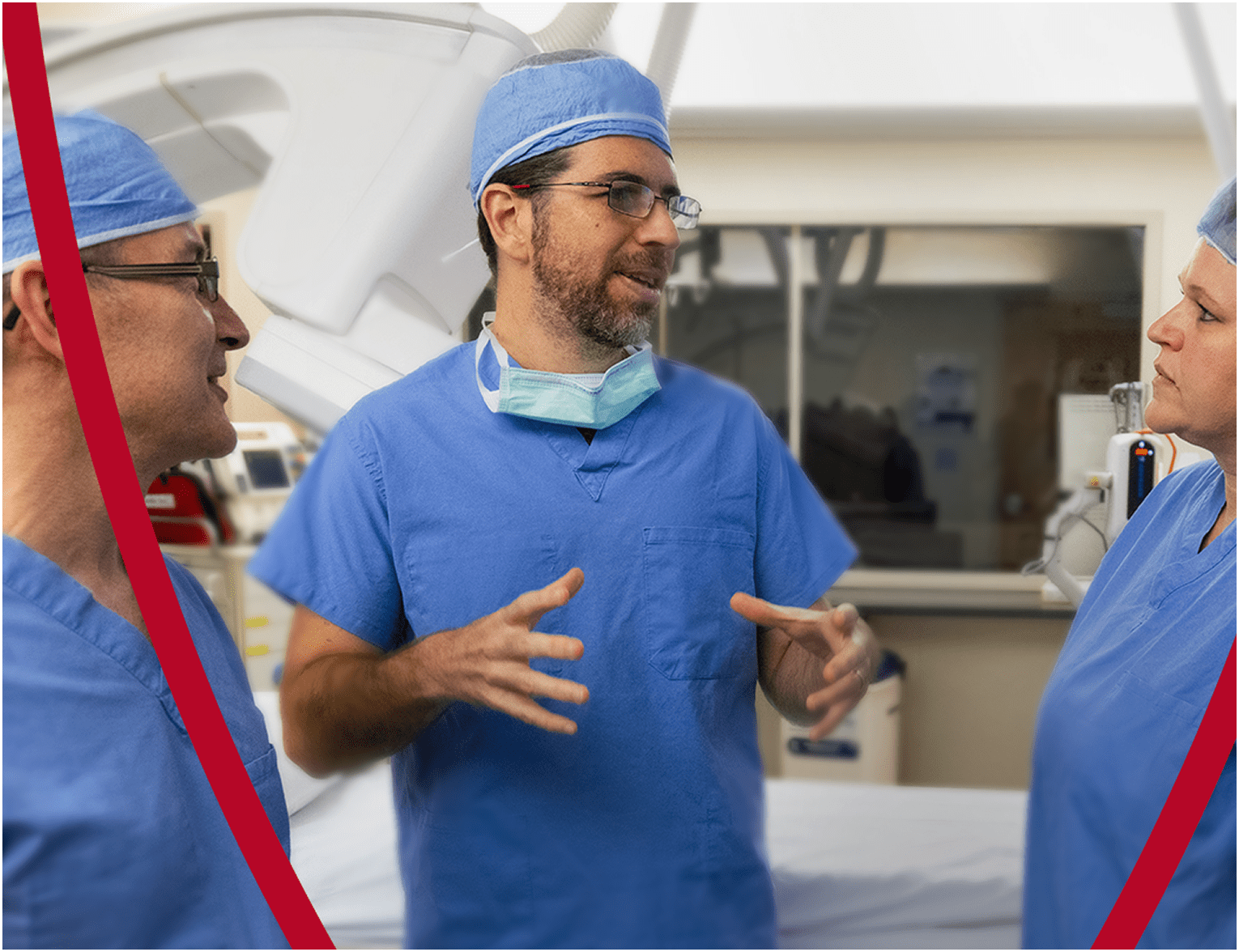
Working at University Hospitals
Careers at UH offers opportunities to provide care locally in the Cleveland area with the power to impact healthcare nationwide. As leaders in our industry, our staff share a commitment to be the difference in the lives of our patients and our communities from Northeast Ohio and beyond. Look at this video to discover how we’re building an organization for the future today.

Nightshift Module
Night shift provides a unique and rewarding opportunity for caregivers who thrive in a close-knit, supportive environment. With fewer distractions and a calmer atmosphere, you’ll have the chance to foster meaningful relationships with both colleagues and patients. The quieter pace allows for more in-depth patient connections, greater autonomy, and the opportunity to refine your skills. Whether it’s the flexibility to fit your lifestyle, the teamwork and problem-solving that come with a close-knit team, or the financial benefits of shift differential pay, night shift offers a space where you can grow both personally and professionally. If you excel in a late-night environment and appreciate the independence and collaboration it offers, our night shift team is the perfect fit for you!
Hear from our team about why they enjoy working the night shift and how it has shaped their careers.
Sara H.
Multi Modality
I like nightshift because the smaller staff helps me build connections and friendships with the staff around me. Helping us to better communicate without any issues, including doctors. I can work independently, keeping my thinking skills sharp. Even when it is quiet, it is never boring.